Remodeling vs Home Additions in Greater Boston
Jean12 min read
Discover remodeling vs home additions in Greater Boston with Trust Contractors Inc. Call for expert guidance and free estimates to improve your home today.
Homeowners across Greater Boston often reach the point where a room refresh or minor fix is no longer enough. When square footage, layout, or overall condition becomes the real issue, it's time to evaluate whether a targeted remodel or a larger-scale addition makes better sense for your property and budget. Trust Contractors Inc has served Greater Boston communities since 2003, helping homeowners in Bedford, Lexington, Winchester, Arlington, Belmont, and surrounding areas navigate exactly this decision. Jean Oliveira personally handles every estimate, bringing over 20 years of construction and remodeling experience to the table. Understanding when to remodel an existing space versus adding new square footage requires a clear look at structure, zoning, cost, and how you actually plan to use your home.
Understanding the Core Difference Between Remodeling and Home Additions
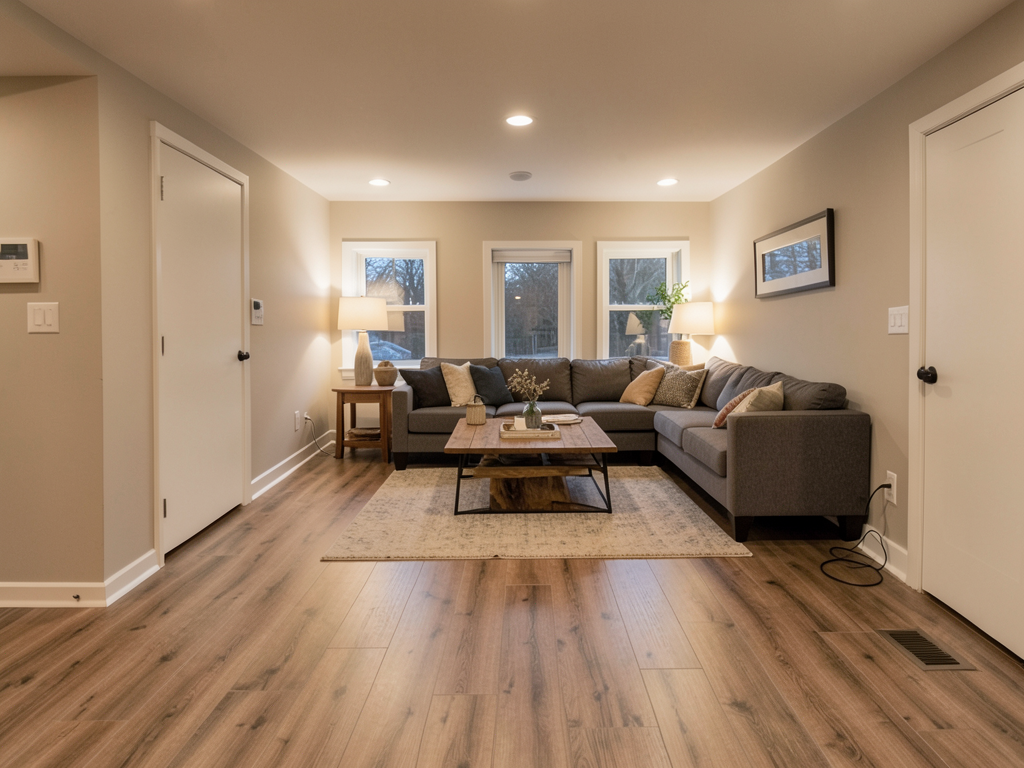
Remodeling means changing what already exists within your home's current footprint. A kitchen remodeling project might involve new cabinets, updated electrical and plumbing, better lighting, and layout improvements, but the exterior walls stay in place. Remodeling can be cosmetic or structural, but it does not expand the building envelope.
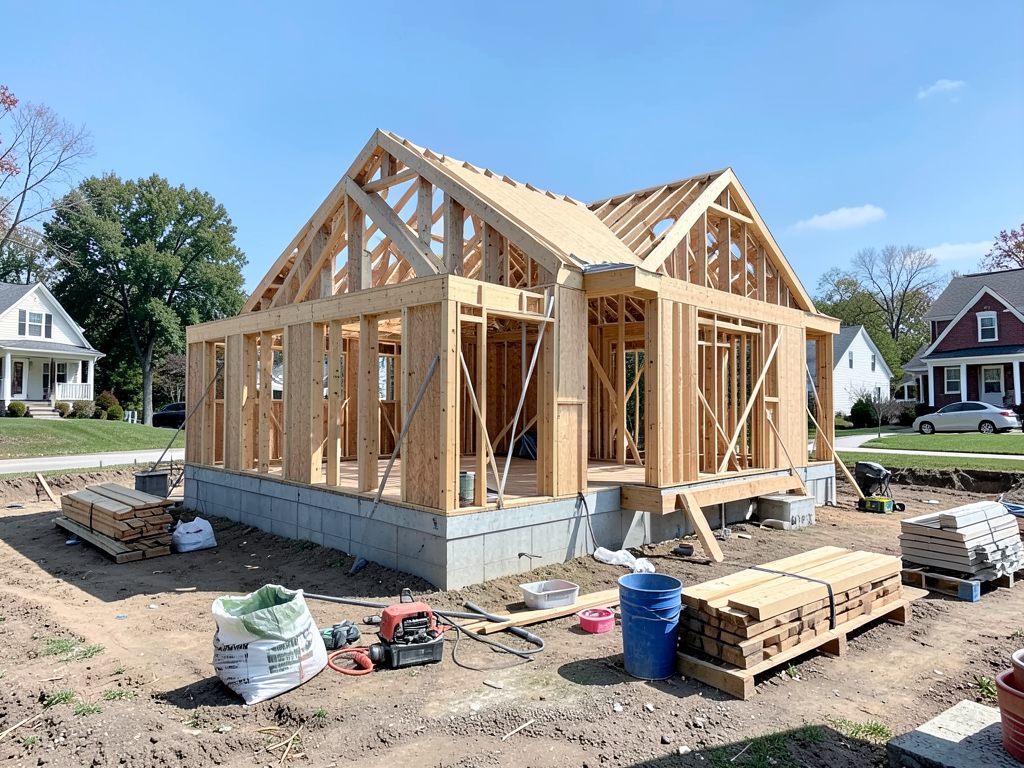
A home addition creates new square footage by extending the structure. This could mean bumping out a kitchen, building a second-story primary suite, or adding a ground-level family room. Additions require foundation work, framing, roofing tie-ins, exterior siding coordination, and careful integration with the existing home. Every home addition in Greater Boston must meet local zoning and setback requirements, and many require coordination with building inspectors and utility upgrades.
Why the Distinction Matters
The choice between remodeling and adding space affects project timeline, permitting requirements, design flexibility, and total investment. In older Greater Boston neighborhoods like Belmont or Watertown, lot coverage and setback rules can limit how much you can expand. Meanwhile, a well-planned remodel might unlock better functionality without the complexity of structural expansion. Both approaches have value depending on your home's current condition, your family's needs, and your long-term plans.
When Remodeling Makes the Most Sense
Remodeling is often the best path when your home has enough space but the layout, finishes, or systems no longer work. Trust Contractors Inc manages home remodeling projects across Greater Boston that address these exact challenges without expanding the building envelope.
Your Home Has Sufficient Square Footage
If your total square footage meets your family's needs but certain rooms feel cramped, outdated, or poorly laid out, remodeling can redistribute space more effectively. Removing a non-load-bearing wall between a kitchen and dining room in a Winchester home can create an open plan without adding exterior structure. Reconfiguring a bathroom layout in Lexington to improve flow and storage does not require new foundation work or roofing tie-ins.
Structural Expansion Is Restricted by Zoning
Many Greater Boston communities have strict zoning regulations governing lot coverage, side setbacks, and rear yard requirements. Properties in Arlington, Belmont, and Woburn often sit on smaller lots where addition options are limited. Before committing to an addition, a contractor should verify that your property allows the expansion you envision. If zoning presents obstacles, remodeling becomes the practical alternative.
Budget Constraints Favor Interior Work
Remodeling typically costs less than adding square footage because you avoid foundation excavation, framing new exterior walls, roofing expansion, siding coordination, and exterior finish tie-ins. Interior renovation focuses investment on layout, finishes, cabinetry, and updated mechanical systems. Homeowners working within a defined budget often achieve better results by concentrating resources on remodeling high-impact spaces rather than stretching dollars across a smaller addition.
You Want to Preserve Exterior Character
Older homes in communities like Bedford and Reading often have traditional exterior styling that homeowners want to maintain. Remodeling allows you to modernize interiors while leaving the exterior appearance unchanged. This approach avoids the challenge of matching historic siding, rooflines, and architectural details that come with additions.
When a Home Addition Is the Right Choice
Sometimes remodeling cannot solve the fundamental problem: your home simply does not have enough space. Trust Contractors Inc has built additions across Greater Boston that provide the additional square footage families need without requiring a move.
You Need More Square Footage
If your family has outgrown your home, remodeling will not create the additional bedroom, bathroom, or living area you require. A second-story addition over a garage in Wakefield can add a primary suite with walk-in closet and private bath. A ground-level bump-out in Wilmington can expand a cramped kitchen into a functional space with room for an island and dining area. Additions provide real square footage that remodeling alone cannot deliver.
Existing Layout Cannot Be Reconfigured
Some homes have structural limitations that prevent effective remodeling. Load-bearing walls may restrict layout changes, or existing room sizes may be too small to serve modern needs even after reconfiguration. In these cases, expanding the building envelope makes better sense than trying to force functionality into inadequate space.
You Plan to Stay Long-Term
Additions represent a significant investment in your property. Homeowners who plan to stay in their Greater Boston home for many years benefit most from the added square footage and improved functionality. If you are committed to your neighborhood, schools, and community, a well-executed addition can eliminate the need to move while increasing property value and quality of life.
Property Characteristics Support Expansion
Successful additions require favorable site conditions. A large backyard in North Andover provides room for a one-story family room addition without zoning conflicts. A home in Lynnfield with an unfinished second floor framed but never completed is a natural candidate for vertical expansion. Before moving forward, a contractor should assess lot coverage, setbacks, utilities, septic or sewer capacity, and access for construction equipment.
Cost Considerations for Remodeling vs. Additions
Budget is often the deciding factor when homeowners weigh remodeling against adding space. Trust Contractors Inc provides free in-person estimates that outline realistic costs for both approaches, helping Greater Boston homeowners make informed decisions.
Remodeling Cost Factors
Remodeling costs vary based on scope, finishes, and structural complexity. A kitchen remodel involving new cabinets, countertops, flooring, electrical upgrades, and plumbing coordination typically ranges from moderate to high depending on material choices and layout changes. Bathroom remodeling costs are influenced by tile work, fixture selection, plumbing relocation, and waterproofing requirements. Whole-home remodeling projects that address multiple rooms, flooring, paint, trim, and lighting fall within a broad range depending on the home's size and condition.
Because remodeling works within the existing structure, you avoid foundation, framing, roofing expansion, and exterior finish costs. However, older Greater Boston homes may present hidden challenges such as outdated wiring, insufficient insulation, plaster repair needs, or structural adjustments that add to the budget.
Addition Cost Factors
Home additions cost more per square foot than remodeling because you are building new structure from the ground up. Foundation work, framing, roofing tie-ins, siding coordination, window and door installation, insulation, drywall, electrical, plumbing, HVAC extensions, and finish work all contribute to the total investment. Second-story additions may require structural reinforcement of the existing first floor. Ground-level additions may involve site grading, drainage management, and utility extensions.
Despite the higher cost, additions deliver actual square footage that increases property value and living space. The investment often makes sense when the alternative is selling and buying a larger home, which involves realtor fees, moving costs, and the uncertainty of finding a suitable property in your preferred Greater Boston community.
Minimum Project Size and Budget Planning
Trust Contractors Inc focuses on projects starting at $30,000, reflecting the scope and coordination required for quality construction and remodeling work. Both remodeling and addition projects benefit from clear planning, realistic budgets, and detailed scopes that prevent surprises during construction. Jean Oliveira works directly with homeowners to outline options, explain trade-offs, and develop a plan that aligns with budget and goals.
Permitting and Zoning for Remodeling vs. Additions
Greater Boston communities require building permits for most construction and remodeling work. The permitting process differs significantly between remodeling projects and additions, influencing project timelines and complexity.
Remodeling Permits
Interior remodeling projects typically require building permits when they involve electrical, plumbing, structural changes, or mechanical system updates. A kitchen remodel that relocates plumbing or adds new circuits requires permits and inspections. Bathroom renovations involving waterproofing, tile work, and plumbing modifications also fall under permit requirements. Non-structural cosmetic updates such as paint, flooring over existing subfloor, or cabinet replacement may not require permits, but it is always best to verify with your local building department.
Permit review for remodeling is generally faster than for additions because the work stays within the existing footprint and does not affect zoning compliance. However, older homes may require upgrades to meet current code, such as GFCI outlets, smoke detector placement, or ventilation improvements.
Addition Permits and Zoning Approvals
Home additions require building permits and often involve zoning review to confirm compliance with setback, lot coverage, and height restrictions. Communities like Winchester, Arlington, and Bedford have specific zoning bylaws that govern how close structures can be built to property lines and how much of a lot can be covered by buildings. Before starting an addition, a contractor should verify that your plans meet local zoning requirements or determine whether a variance is needed.
Additions also require foundation inspections, framing inspections, insulation and energy code compliance checks, and final inspections before certificate of occupancy. The permitting process for additions takes longer than remodeling and requires coordination with local building officials throughout the project.
Structural and Design Considerations
Both remodeling and additions involve design and structural decisions that affect functionality, aesthetics, and long-term performance. Trust Contractors Inc brings over 20 years of experience managing these challenges across Greater Boston's diverse housing stock.
Working with Existing Structure in Remodeling
Remodeling requires careful evaluation of existing structure, including load-bearing walls, floor joists, ceiling height, and mechanical systems. Removing a wall to open up a floor plan may require installing a beam and posts to carry the load above. Older homes in Watertown or Woburn may have plaster walls, knob-and-tube wiring, or outdated plumbing that complicates remodeling work. A thorough assessment during the estimate phase helps identify these conditions and plan accordingly.
Integrating Additions with Existing Homes
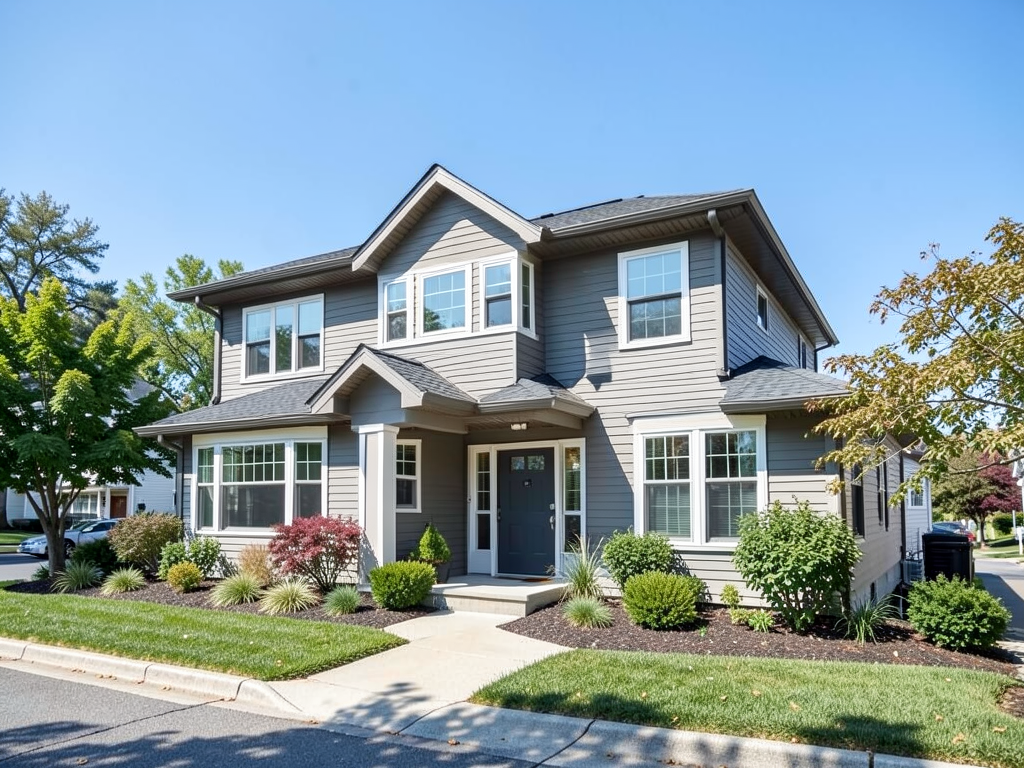
Successful additions blend seamlessly with the existing structure in both function and appearance. Rooflines, siding materials, window styles, and trim details should match or complement the original home. Foundation work must account for frost depth and drainage to prevent settlement or moisture issues. Framing tie-ins require careful coordination to ensure structural continuity and weatherproofing. HVAC, electrical, and plumbing systems must be extended to serve the new space without overloading existing capacity.
In older Greater Boston homes, additions may reveal opportunities to upgrade insulation, air sealing, or mechanical systems in the existing structure, improving overall comfort and efficiency.
Timeline Expectations for Remodeling and Additions
Project duration varies based on scope, complexity, weather, and permitting. Understanding realistic timelines helps homeowners plan around construction activity and manage expectations.
Remodeling Timelines
A kitchen remodel in Greater Boston typically takes several weeks to a few months depending on scope, custom cabinetry lead times, and coordination with electrical and plumbing trades. Bathroom remodeling projects range from a few weeks for a single bathroom to longer for multiple bathrooms or complex layouts. Whole-home remodeling projects can extend over several months, especially if structural changes, flooring replacement, or system upgrades are involved.
Interior remodeling work can proceed year-round in Massachusetts, though scheduling during warmer months may offer more flexibility for contractors and homeowners.
Addition Timelines
Home additions take longer than remodeling because they involve site work, foundation construction, framing, roofing, exterior finishes, and interior completion. A ground-level addition may take several months from permit approval to final inspection. Second-story additions require structural reinforcement, temporary weather protection, and careful sequencing to minimize disruption to the existing home.
Weather plays a larger role in addition timelines because much of the work occurs outdoors. Foundation pours require suitable temperatures, and roofing tie-ins must be completed and weatherproofed before interior work proceeds. Greater Boston's winter months can slow exterior work, making spring through fall the preferred window for addition projects.
Which Approach Adds More Value to Your Home?
Both remodeling and additions can increase property value, but the return on investment depends on the quality of work, how well the project meets buyer expectations, and overall market conditions in your Greater Boston community.
Remodeling and Property Value
Kitchen and bathroom remodeling consistently rank among the highest-value home improvements. Updated kitchens with modern appliances, functional layouts, and quality finishes appeal to buyers across Greater Boston. Renovated bathrooms with new tile, fixtures, and improved lighting also enhance marketability. Whole-home remodeling that addresses dated interiors, improves flow, and updates systems can significantly boost value, especially in neighborhoods where homes compete on condition and finish quality.
Additions and Property Value
Additions that increase usable square footage tend to provide strong value returns, particularly when they add bedrooms, bathrooms, or primary suites. A second-story addition in Reading that transforms a three-bedroom home into a four-bedroom property with two full baths expands the buyer pool and increases sale price potential. Ground-level additions that create open living space or expand cramped kitchens also enhance marketability.
However, additions must be well-executed and proportional to the neighborhood. Over-improving a home relative to surrounding properties can limit value recovery. Trust Contractors Inc helps homeowners assess whether planned improvements align with market expectations in their specific Greater Boston community.
Combining Remodeling and Additions for Maximum Impact
Many successful projects blend remodeling and addition work to address multiple needs in a single construction phase. Adding square footage while updating adjacent existing spaces creates a cohesive result that feels intentional rather than pieced together.
Kitchen Addition with Whole-Space Remodel
A common approach in Greater Boston involves bumping out a kitchen to gain space for an island and better traffic flow while simultaneously remodeling the entire kitchen with new cabinets, countertops, appliances, flooring, and lighting. The addition provides the square footage, and the remodel delivers the finishes and functionality.
Second-Story Addition with First-Floor Updates
Adding a second story over part of a home in Andover or North Reading creates new bedroom and bathroom space while offering an opportunity to refresh first-floor finishes, improve insulation, and upgrade mechanical systems. Combining both scopes in one project reduces overall disruption and ensures design continuity throughout the home.
How Trust Contractors Inc Approaches Remodeling and Addition Projects
Trust Contractors Inc has served Greater Boston homeowners since 2003, managing new construction, additions, and remodeling projects with owner-led oversight and practical execution. Jean Oliveira personally handles every estimate, walking the property, discussing goals, and outlining realistic options for both remodeling and addition approaches.
Free In-Person Estimates
Every project starts with a free in-person estimate. Jean visits your home, reviews existing conditions, listens to your goals, and provides clear guidance on whether remodeling, an addition, or a combination approach makes the most sense. Estimates are typically completed within three days after the site visit, giving homeowners timely information to move forward with confidence.
Owner-Led Coordination
All work is managed by Trust Contractors Inc with direct oversight of trades, schedules, and quality. This owner-led approach ensures accountability and clear communication throughout the project. Homeowners work directly with the team handling the construction, not through layers of project managers or subcontractor handoffs.
Licensed, Bonded, and Insured
Trust Contractors Inc is licensed, bonded, and insured, providing the protections Greater Boston homeowners expect when hiring a contractor for significant construction or remodeling work. All work is guaranteed, and projects are completed to meet local building codes and inspection requirements.
Making the Right Choice for Your Greater Boston Home
Deciding between remodeling and a home addition requires honest assessment of your home's current condition, your family's needs, your budget, and your long-term plans. Trust Contractors Inc helps homeowners in Bedford, Lexington, Winchester, Arlington, Belmont, Watertown, Waltham, Woburn, Reading, Wakefield, Lynnfield, North Reading, Andover, North Andover, and Wilmington navigate this decision with practical advice and transparent estimates.
If your home has sufficient space but poor layout or outdated finishes, remodeling may deliver the functionality and appearance you need without the complexity of structural expansion. If you have outgrown your home and require additional square footage, a well-planned addition can provide the space your family needs while allowing you to stay in the community and schools you value.
Jean Oliveira brings over 20 years of construction and remodeling experience to every estimate, offering the insight needed to evaluate both approaches and recommend the best path forward. Whether your project involves updating a single room, reconfiguring your entire first floor, or adding a second story, Trust Contractors Inc manages the process with attention to structure, quality, and practical execution.
To discuss your remodeling or addition project, call (781) 515-0045, email trustcontractorsinc@gmail.com, or book a free in-person estimate at https://www.trustcontractorsboston.com/book. Trust Contractors Inc is available Monday through Sunday from 6:30 AM to 7:30 PM, and estimate appointments can be scheduled at your convenience.
Start Your Project with a Free Estimate
New construction, additions, remodeling, roofing, and general contracting across Greater Boston.
Get Free Estimate